

Maintaining Roofs On Older Northern Rivers Properties
Older properties in the Northern Rivers have a lot going for them. Solid construction, generous proportions, and a character that newer builds rarely match. But the roofs on many of these homes are carrying decades of wear, and the region's climate is not particularly forgiving. High humidity, heavy seasonal rainfall, coastal salt air and periodic severe storms take a cumulative toll that tends to show up gradually rather than all at once. For property owners looking for roofing solutions in Ballina and across the region, working with a roofer from Ballina who understands the broader Northern Rivers climate and building stock makes all the difference.
Older Roofs Face a Different Set of Challenges
A roof installed thirty or forty years ago was built to the standards of its time, with materials now exposed to decades of Northern Rivers weather. The challenges it faces are different from those of a newer roof. The most common material-related issues include:
- Terracotta and cement tiles become increasingly porous, making them susceptible to cracking, biological growth and wind displacement.
- Older metal roofing is more vulnerable to corrosion and surface fatigue than modern Colorbond profiles.
- Flashings, ridge capping and valley iron may be bedded with materials that have long since lost their waterproofing properties.
- Timber roof structures can carry hidden moisture damage to battens, rafters and sarking from past leak events.
Understanding the age and material profile of your roof is the starting point for any maintenance conversation. Working with a roofer in Ballina and the wider Northern Rivers who knows these conditions well makes a real difference from the outset.
The Northern Rivers Climate Accelerates Wear
The Northern Rivers is a demanding environment for roofing materials. Subtropical humidity, high annual rainfall, coastal proximity and periodic severe weather events create conditions that accelerate deterioration faster than in many other parts of New South Wales. The key climate factors at work are:
- High humidity promotes moss, lichen and algae growth, retaining moisture and accelerating surface breakdown.
- Storm events subject older roofs to wind uplift and driven rain that tests every fixing, seal and junction.
- Salt air accelerates corrosion of fasteners, flashings, gutters and roof sheets across the region.
- Wet seasons followed by rapid drying degrade bedding, pointing and sealants more quickly than in drier climates.
For older properties in this environment, the interval between professional inspections matters more than it might elsewhere.
Common Issues Found on Older Northern Rivers Roofs
Roofers across the Northern Rivers see a consistent pattern of issues on older properties, most of which develop gradually and are well established before they become visible from inside the home. The most common include:
- Cracked, slipped or broken tiles creating gaps where water enters the roof cavity.
- Failed bedding and pointing on ridge and hip cappings allowing wind-driven rain to penetrate.
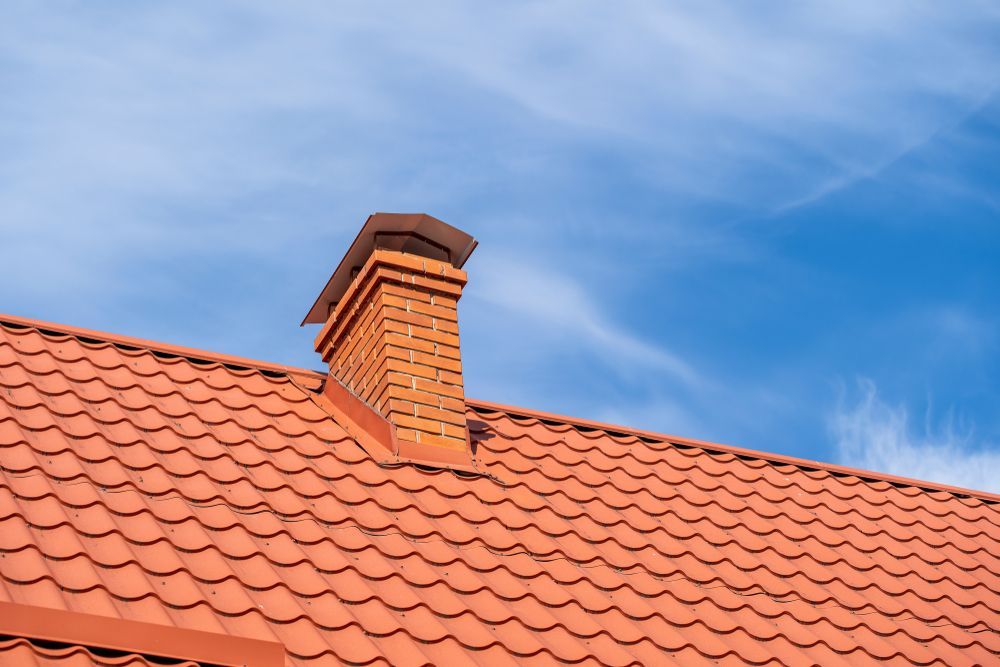
- Corroded or poorly sealed flashings around chimneys, skylights and penetrations.
- Blocked or sagging gutters and downpipes that are no longer managing stormwater effectively.
- Surface corrosion on older metal roofing at laps, fixings and low points.
Most are straightforward to address when identified early. Left unattended, they compound.
Why Regular Inspections Are the Most Cost-Effective Approach
The case for annual professional roof inspections on older properties is straightforward. A problem identified early is almost always cheaper to fix than one that has already caused secondary damage to ceilings, insulation, timber structure or wall linings. Here is where early intervention makes the most difference:
- Deteriorating bedding and pointing addressed early avoids the far greater cost of subsequent water damage.
- Tile movement or cracking caught early prevents water ingress and cavity saturation.
- Gutter and downpipe condition can be assessed and cleared as part of a routine inspection, preventing overflow damage that often goes unnoticed until it has affected fascia boards, eaves lining or internal walls.
- Flashings and sealants can be resealed or replaced before they fail entirely, closing off the entry points responsible for a disproportionate share of leak call-outs on older properties.
The principle is simple: a problem found early costs a fraction of what it costs once water has been entering the structure for a season or more.
What a Professional Maintenance Programme Looks Like
A proactive maintenance approach involves an annual inspection, with additional checks following significant storm events, covering well beyond what is visible from the ground. A thorough inspection typically includes:
- All surfaces are assessed: tiles or sheets, ridge and hip cappings, valley iron, flashings, gutters, downpipes, fascia, eaves lining and visible timber structure.
- Issues are documented with clear recommendations, distinguishing what needs immediate attention from what can be monitored.
- Work carried out is targeted and proportionate to the specific issues found.
- For properties not recently inspected, a condition report provides a useful baseline for planning ongoing maintenance.
When searching for roofing near me or a roofer near me, finding someone who understands the specific demands of the Northern Rivers climate and older regional properties makes a real difference.
The Cost of Deferring Maintenance
Deferred maintenance on older homes consistently results in higher repair costs. It is simply the nature of how building fabric deteriorates when issues are left unattended. Some common examples of how small problems become large ones:
- A minor re-pointing job left unattended can result in cavity moisture damage to insulation, sarking, battens and ceiling linings.
- A failed flashing can cause water ingress that tracks through the structure and appears as a ceiling stain well removed from the entry point.
- Overflowing gutters cause timber rot and eaves damage requiring carpentry repairs on top of the gutter work.
- Unaddressed storm damage worsens with each subsequent weather event, particularly on older roofs with compromised components.
Staying ahead of these issues is good property management and considerably less disruptive than dealing with them reactively.
When Maintenance Is No Longer Enough
Regular maintenance extends the life of an older roof significantly, but repairs and upkeep can reach a point of diminishing returns. Understanding the difference between a roof that benefits from ongoing maintenance and one that has reached the end of its serviceable life is important for sound property decisions. The signs to look for include:
- Widespread tile deterioration across the roof surface, rather than isolated failures, often signals the material has reached the end of its useful life.
- Repeated leaks from multiple locations despite repairs suggest underlying structure or sarking damage beyond the reach of surface fixes.
- Significant corrosion progressing to perforation or structural weakening of metal sheets warrants replacement over ongoing repairs.
- Where the cost of bringing a roof to a maintainable standard approaches the cost of replacement, a new roof is often the more practical investment.
If you are weighing up your options, our guide on how to tell if it's time for a roof replacement covers the key indicators in detail.
Protecting the Value of Your Property
An older Northern Rivers property in good condition is a genuine asset, and the roof plays a significant role in maintaining it. A well-maintained roof provides reassurance to insurers, prospective buyers and tenants, and documented maintenance history is increasingly relevant when insurance claims arise.
At Premier Roofing Solutions, we work across the Northern Rivers providing roofing in Ballina and the broader region, including inspections, maintenance, repairs and replacements for older residential properties. If your property is due for a professional look-over, get in touch with our team to arrange an inspection.