

The Advantages Of Choosing Metal Roofing
Roofing decisions often come down to how a material performs over time. It is not just about how a roof looks on day one, but how it handles years of weather exposure, structural movement and general wear.
Metal roofing has become a common choice across both residential and commercial projects. Its combination of durability, flexibility and material options makes it suitable for a wide range of applications.
Unlike heavier or more brittle materials, metal roofing is designed to respond to changing conditions without compromising structural integrity. This allows it to perform consistently across different environments.
In this guide, we explore the advantages of metal roofing, including material options, performance benefits and why many property owners consider roofing Ballina when planning a roofing project.
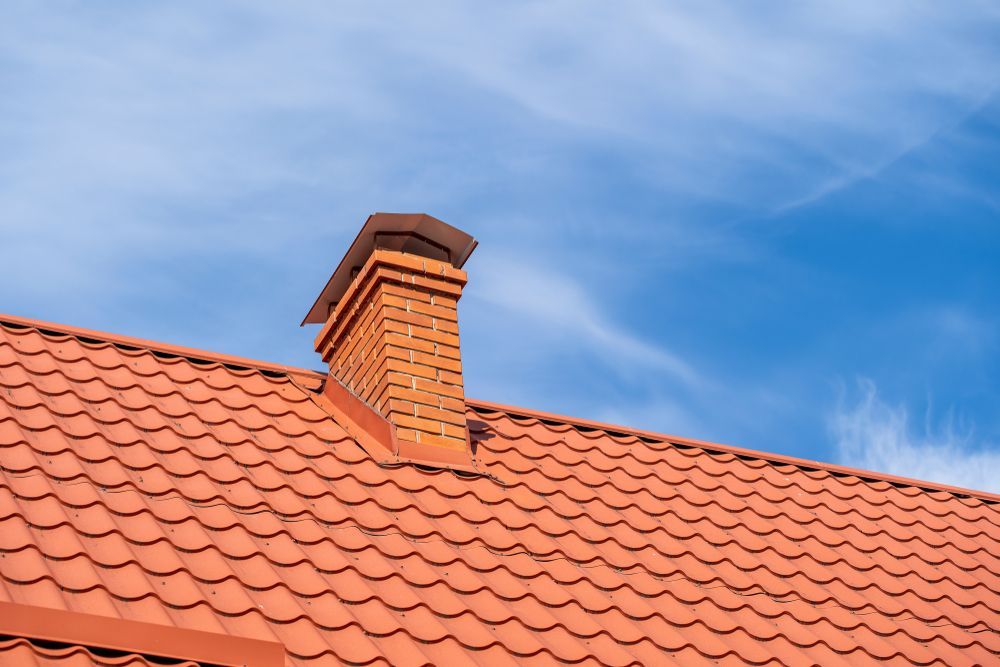
Why More Property Owners Are Switching From Tile To Metal Roofing
Older tiled roofs often show signs of wear over time. Cracked tiles, shifting sections and ongoing repairs can prompt property owners to consider alternative materials. Metal roofing offers a different approach, particularly when replacing ageing systems.
Switching from tile to metal can simplify ongoing maintenance while improving structural performance.
Common reasons for conversion include:
- Reduced risk of tile breakage
- Fewer ongoing repairs over time
- Improved water runoff and drainage
- Lighter load on the roof structure
- Updated appearance for older properties
These factors contribute to the growing interest in tile-to-metal conversions. Replacing older materials with metal can change how the roof performs day to day.
Designed For Australian Conditions: Rain, Wind And Heat
Roofing materials must handle a wide range of environmental conditions. Metal roofing is designed to manage exposure to rain, wind and temperature changes without significant deterioration.
Its profile and installation method support consistent performance across different weather conditions.
Weather-related advantages include:
- Efficient water runoff during heavy rain
- Resistance to wind uplift when installed correctly
- Minimal expansion and contraction issues
- Performance in high temperature conditions
- Reduced risk of material cracking
These characteristics make metal roofing suitable for environments with variable weather. Material choice plays a role in how the roof responds over time.
Long-Term Performance That Supports Fewer Repairs
Repair frequency is an important consideration when selecting roofing materials. Systems that maintain their condition over time can reduce interruptions and ongoing maintenance.
Metal roofing is often selected for its ability to remain structurally stable with minimal repair requirements.
Performance-related benefits include:
- Reduced likelihood of surface cracking
- Fewer individual components that can fail
- Consistent structural integrity over time
- Resistance to common wear issues
- Lower frequency of repair work
These factors support a roofing system that requires less ongoing attention. Reduced maintenance can simplify long-term property management.
Lightweight Roofing That Works With Existing Structures
The weight of roofing materials can influence installation and structural requirements. Heavier materials may require additional support, particularly during replacement projects.
Metal roofing offers a lighter alternative that can be installed over existing structures in some cases.
Structural advantages include:
- Reduced load on roof framing
- Suitability for re-roofing projects
- Easier handling during installation
- Compatibility with a range of building types
- Less structural stress over time
These properties allow metal roofing to be used across different project types. Lighter materials can support more flexible installation approaches.
Material Choice Matters: Colorbond, Aluminium And Copper Options
Metal roofing is not limited to a single material. Different options are available, each with characteristics suited to particular environments and design requirements.
Material selection influences durability, appearance and long-term performance.
Common material options include:
- Colorbond steel for durability and colour consistency
- Aluminium for corrosion resistance
- Copper for distinct visual appearance
- Coated metals for added protection
- Finishes designed for specific environments
Choosing the right material helps align the roof with project requirements. Each option offers different performance characteristics.
Integrated Roofing Systems Including Gutters And Drainage
A roofing system involves more than just the roof surface. Gutters, downpipes and drainage components all play a role in managing water effectively.
Metal roofing integrates with these systems to support efficient water flow.
System-related considerations include:
- Compatibility with guttering systems
- Effective water channeling from the roof surface
- Integration with downpipes and drainage
- Reduced pooling during rainfall
- support for overall roof performance
Considering the full roofing system helps improve functionality. Proper integration supports consistent water management.
Clean Lines And Modern Finishes That Suit Different Builds
Metal roofing offers a range of design options that suit different building styles. Profiles, colours and finishes can be selected to match the overall appearance of the property.
This flexibility allows metal roofing to work across both modern and traditional designs.
Design features include:
- Various panel profiles
- Colour selections to suit exterior finishes
- Finishes that complement surrounding materials
- Options for residential and commercial projects
- Adaptability across architectural styles
These options allow property owners to tailor the look of the roof. Design flexibility supports both function and appearance.
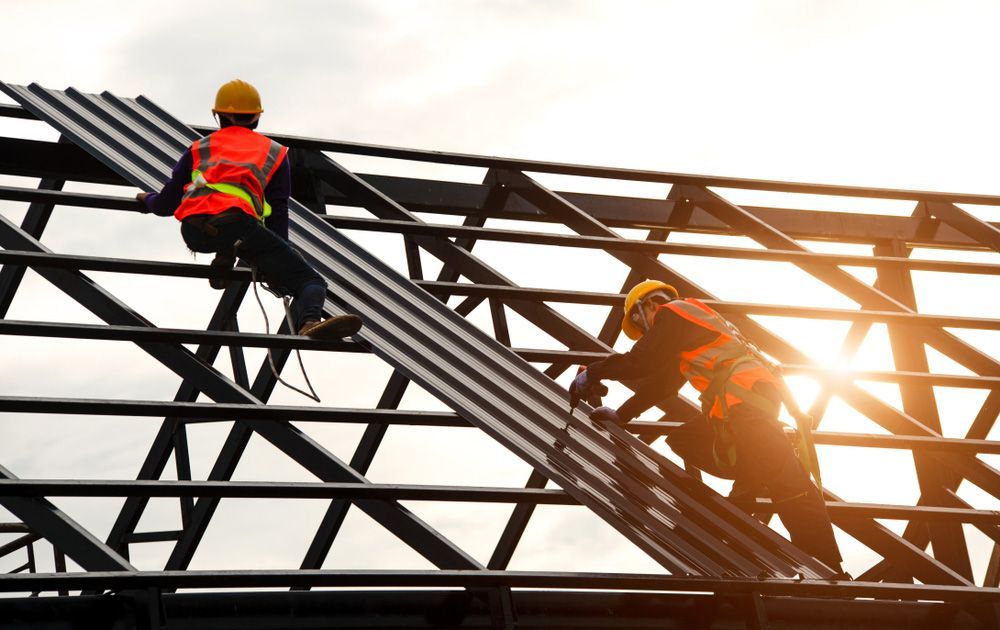
Installation Quality Shapes Long-Term Roofing Performance
The performance of any roofing system depends on how it is installed. Even high-quality materials rely on correct placement, fixing and sealing to function properly.
Installation influences durability, water resistance and lifespan.
Key installation factors include:
- Correct panel alignment
- Secure fixing methods
- Proper flashing and sealing
- Integration with drainage systems
- Adherence to installation standards
Attention to detail during installation supports long-term performance. The way the roof is installed directly affects how it performs over time.
Here at Premier Roofing Solutions, we provide metal roofing services including new installations, re-roofing and tile-to-metal conversions for homeowners considering roofing Ballina. We also work across complete roofing systems, including gutters and drainage, to support long-term roof performance.
Visit our website to learn more or explore your options for metal roofing tailored to your project. You can also check out our metal roofing services to understand material options and how different systems are applied across residential and commercial builds.